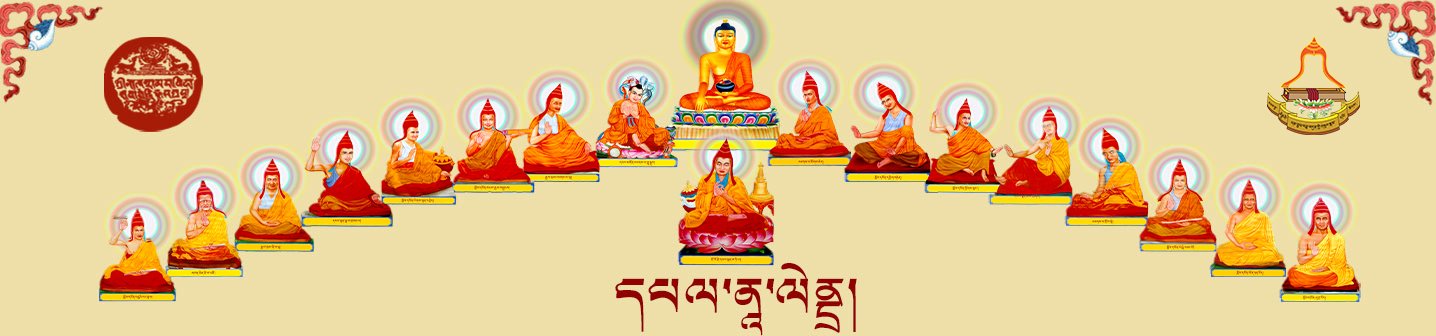
ནཱ་ལེནྡྲའི་གཙུག་ལག་ཁང་ངོ་སྤྲོད་སྙིང་བསྡུས། (བོད་རྒྱ་དབྱིན་གསུམ།)

ནཱ་ལེནྡྲ་དགོན་པ་ནི་ནང་པའི་ཆོས་ལུགས་ཀྱི་ཐད་ནས་མཐོ་རྩེར་སོན་པའི་སློབ་གཉེར་ཁང་ཞིག་ཡིན། འོན་ཀྱང་དེ་ནི་ཏུ་རུ་ཀའི་མི་རིགས་བཀྵ་ཏི་ཡར་ཁལ་ཇིས་རྒྱ་གར་ནས་ནང་བསྟན་རྩ་མེད་བཟོ་རྒྱུའི་དམིགས་ཡུལ་བཟུང་བར་བརྟེན་ནས་གཏོར་བཤིག་ཚབས་ཆེན་བྱུང་། ཕྱི་ལོ་ ༡༡༩༣ ལོར་ཁལ་ཇིས་ནཱ་ལེནྡྲ་གཏོར་བཤིག་བཏང་བ་དེ་ནི་རྒྱ་གར་ནང་ནང་བསྟན་ཉམས་རྒུད་དུ་ཕྱིན་པའི་དོན་རྐྱེན་གལ་ཆེན་ཞིག་ཏུ་བརྩི་བཞིན་ཡོད། ཕར་སི་ཡའི་ལོ་རྒྱུས་སྨྲ་བ་མིན་ཧ་ཛིས་ཁོའི་ལོ་རྒྱུས་ཡིག་ཆའི་ནང་། ཁལ་ཇིས་ནཱ་ལེནྡྲར་བཙན་འཛུལ་བྱས་རྗེས་ཟླ་བ་མང་པོའི་རིང་དཔེ་ཆ་མེར་སྲེག་བཏང་བའི་སྐོར་བཀོད་ཡོད། ཁོས་”ཉིན་མང་པོའི་རིང་དཔེ་ཆ་མེར་སྲེག་བཏང་བ་ལས་བྱུང་བའི་དུ་བ་དེ་རི་ཆུང་ཆུང་ཞིག་གི་སྟེང་གི་དུ་བ་ནག་པོ་དང་འདྲ་བར་གྱུར།” ཅེས་བྲིས་ཡོད།

དགོན་པ་དང་དཔེ་མཛོད་ལ་གཏོར་བཤིག་ཚབས་ཆེན་ཐེབས་པ་དང་། དགེ་འདུན་པ་མང་པོ་བོད་དུ་བྲོས་བྱོལ་དུ་ཕྱིན། དེ་ནས་བཟུང་ནཱ་ལེནྡྲ་དགོན་པས་སྔར་གྱི་གཟི་བརྗིད་ཤོར་ཞིང་། རིམ་བཞིན་མི་རྣམས་ཀྱིས་བརྗེད་ནས་ཤུལ་རོར་གྱུར།

ནཱ་ལེནྡྲ་དགོན་པ་ནས་རྒྱ་གར་དང་། བོད། ཤར་ཕྱོགས་བཅས་ཀྱི་ནང་པའི་མཁས་དབང་དང་ལྟ་གྲུབ་སྨྲ་བ་མང་པོ་ཐོན་ཡོད། དེའི་ནང་ནས་སྐད་གྲགས་ཆེ་ཤོས་ནི་ཀླུ་སྒྲུབ་ཡིན། ཁོང་གིས་ནཱ་ལེནྡྲ་དགོན་པར་སློབ་ཁྲིད་གནང་བ་དང་མཁན་པོའི་ཐུགས་འགན་བཞེས། ཁོང་ནི་ཐེག་ཆེན་གྱི་སློབ་དཔོན་གྲགས་ཅན་ཞིག་ཡིན་པ་དང་། རྒྱ་གར་ནང་བསྟན་ལོ་རྒྱུས་ཐོག་”སངས་རྒྱས་གཉིས་པ”ཞེས་བསྔགས་བརྗོད་ཐོབ། ཁོང་ནི་སྤྱི་ལོའི་དུས་རབས་གཉིས་པའི་དཀྱིལ་ནས་གསུམ་པའི་དཀྱིལ་བར་མཛད་འཕྲིན་རྒྱས། ཁོང་གིས་སྟོང་ཉིད་ཀྱི་དབུ་མའི་ལྟ་གྲུབ་གསར་གཏོད་གནང་ཞིང་། ཐེག་ཆེན་གྱི་ལྟ་གྲུབ་ཀྱི་རྨང་གཞི་བཏིང་། ཁོང་གི་གཙོ་བོའི་བརྩམས་ཆོས་ནི་《དབུ་མ་རྩ་བ་ཤེས་རབ》དང《ཤེས་རབ་ཕ་རོལ་ཏུ་ཕྱིན་པའི་མན་ངག་གི་བསྟན་བཅོས་མངོན་པར་རྟོགས་པའི་རྒྱན་གྱི་འགྲེལ་པ་དོན་གསལ》གཉིས་ཡིན། ཀླུ་སྒྲུབ་ཀྱིས་ཐེག་ཆེན་གྱི་གྲུབ་མཐའ་ཁག་ལ་ཤུགས་རྐྱེན་ཆེན་པོ་ཐེབས་ཡོད། དབུ་མ་པས་ཁོང་ལ་སྲོལ་གཏོད་པར་ངོས་འཛིན་བྱེད་པ་དང་། རྣལ་འབྱོར་སྤྱོད་པའི་སེམས་ཙམ་པ་དང་དེ་བཞིན་གཤེགས་པའི་སྙིང་པོའི་གྲུབ་མཐའ་བ་རྣམས་ཀྱིས་ཀྱང་ཁོང་གི་གསུང་རྩོམ་ལ་བརྟེན་ནས་རང་རང་གི་གྲུབ་མཐའི་ཡང་དག་པའི་རང་བཞིན་ར་སྤྲོད་བྱེད་བཞིན་ཡོད།

བོད་བརྒྱུད་ནང་བསྟན་གྱི་མདོ་སྔགས་ཟུང་འབྲེལ་གྱི་སྙིང་པོའི་ནང་དོན་ཡང་ནཱ་ལེནྡྲ་དགོན་པའི་སློབ་གསོ་དང་སྲོལ་རྒྱུན་ལས་བྱུང་། དུས་རབས་བརྒྱད་པའི་ནང་། བོད་དུ་ནང་བསྟན་ཐོག་མར་དར་སྤེལ་གནང་མཁན་ཞི་བ་འཚོ་ནི་ནཱ་ལེནྡྲའི་མཁས་དབང་ཆེན་པོ་ཞིག་ཡིན། ཁོང་གིས་བོད་རྒྱལ་ཁྲི་སྲོང་ལྡེའུ་བཙན་གྱི་གདན་ཞུས་ལྟར་བསམ་ཡས་དགོན་པ་བཞེངས་པ་དང་། དགོན་པའི་མཁན་པོ་དང་པོ་གནང་། པདྨ་འབྱུང་གནས་ཀྱང་ནཱ་ལེནྡྲ་དགོན་པའི་གྲུབ་ཆེན་ཞིག་ཡིན་པ་དང་། བོད་བརྒྱུད་ནང་བསྟན་གྱི་སྲོལ་གཏོད་པ་གཙོ་བོ་ཞིག་ཏུ་བརྩི་བཞིན་ཡོད། མི་ལ་རས་པའི་བླ་མ་མར་པ་ལོ་ཙཱ་བས་ཀྱང་ནཱ་ལེནྡྲར་སློབ་གཉེར་གནང་མྱོང་།

ད་ལྟ་ནཱ་ལེནྡྲ་གཙུག་ལག་སློབ་གྲྭ་ཆེན་མོ་བསྐྱར་གསོ་བྱ་རྒྱུའི་འཆར་གཞི་ཡོད་པ་དང་། ཨེ་ཤི་ཡའི་རྒྱལ་ཁབ་མང་པོས་མཉམ་འབྲེལ་ཐོག་མ་དངུལ་གནང་སྟེ་འཛུགས་སྐྲུན་བྱེད་བཞིན་ཡོད། དེང་སྐབས་ནཱ་ལེནྡྲ་གཙུག་ལག་སློབ་གྲྭ་ཆེན་མོས་སློབ་མ་གསར་བསྡུ་བྱེད་འགོ་བཙུགས་ཟིན། ག་འདྲ་ཞིག་ཡིན་རུང་། སྔར་གྱི་ནཱ་ལེནྡྲ་དགོན་པའི་བླ་ན་མེད་པའི་ཤེས་ཡོན་གྱི་དཔལ་ཡོན་དྲན་གསོ་བྱེད་སྐབས། ད་ལྟའི་ཤུལ་རོ་འདི་དག་མཐོང་ན་སེམས་སྐྱོ་བ་ཞིག་ཡིན།
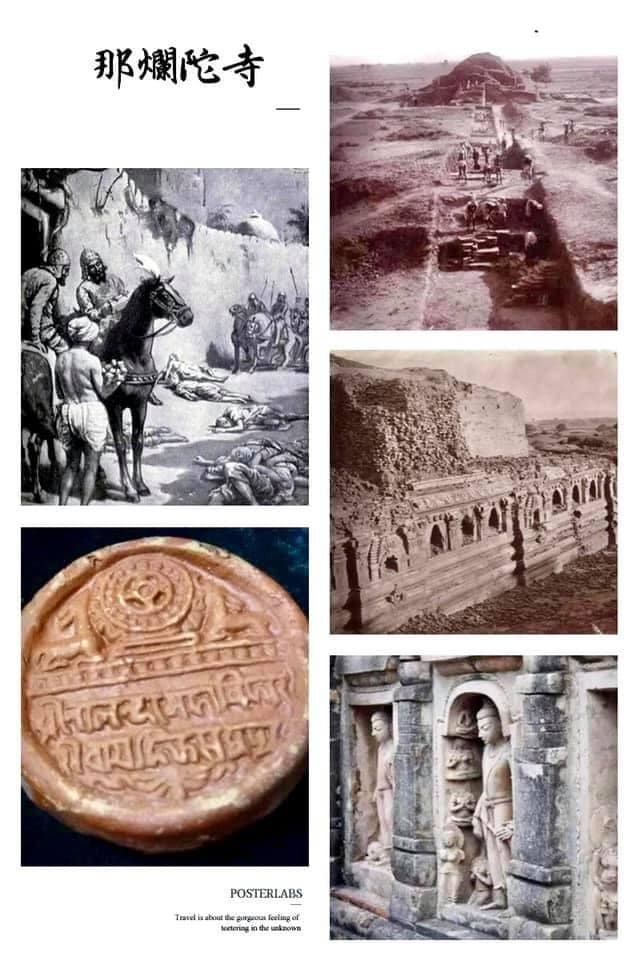
༼དཔལ་ནཱ་ལེན་དྲ།༽
那爛陀寺:突厥人焚毀了世界上最早的大學
意大利的博洛尼亞大學(University of Bologna)成立於1087年,被公認為是世界最早的大學,之後是成立於1167年的牛津大學。但是印度那爛陀應該被認為是世界第一家現代意義上的大學。只是,到目前,關於那爛陀的歷史記載非常少,多數文獻隨著那爛陀的遭遇,被焚毀。有關那爛陀的記錄只能依靠西藏文獻和玄奘的旅行記錄。
那爛陀(梵文:नालंदा,Nālandā,藏文:དཔལ་ནཱ་ལེན་དྲ།),古印度地名,在古摩揭陀國王舍城附近,今印度比哈爾邦中部都會巴特那東南90公里。在此地原建有佛教寺院,名為那爛陀寺,為古代中印度佛教最高學府和學術中心。那爛陀寺規模宏大,曾有多達九百萬卷的藏書,歷代學者輩出,最盛時有上萬僧人學者聚集於此。
2016年列入世界遺產。那爛陀寺的建立或成型時間不詳。在古代,那爛陀是一個聚落。釋迦牟尼弟子舍利弗的出生地,為佛教最早傳布的地區之一。傳說此地原是庵摩羅園,後來五百商人捐錢買下獻佛,佛在此說法三個月。經過歷代君王的營建,那爛陀寺宏偉壯觀。
梵語 “ 那爛陀 ” 三字意謂 “ 施無厭 ” 或 “ 無厭施 ”。
鼎盛時期,那爛陀寺每天都有一百多個講壇,學習課程包括大乘佛典、天文學、數學、醫藥等。八世紀時那爛陀寺成為金剛乘的學術中心,也是重要道場。
公元11世紀,突厥人攻入那爛陀寺。
1204年,那爛陀寺最後一位主持 Shakyashribhadra 在吐蕃 ཁྲོ་ཕུ་ལོ་ཙ་བ། 赤普大譯師的邀請下,逃離那爛陀。
1235年,吐蕃的 ཆག་ལོ་ཙ་བ། 恰大譯師抵達那爛陀寺,發現當時一位90歲的老師 Rahula Shribhadra 正在為70多名學生授課。 Rahula 被認為是那爛陀寺完全破敗被遺棄前的最後一位老師。
那爛陀寺在佛學方面登峰造極,只可惜突厥人 Bakhtiyar Khalji 立志要將佛教從印度連根拔起,徹底清除。公元1193年,Khalji 對那爛陀的破壞被視為是佛教在印度衰退的最重要事件之一。波斯歷史學家 Minhaz 在他的史記中記載,Khalji 攻入那爛陀後,燒毀藏書達幾個月之久。 “ 連續多日燃燒的書卷散發的青煙如同小山上的黑色煙霧一般 ”。
寺院和圖書館遭受嚴重破壞,大批那爛陀僧侶逃往西藏避難,從此那爛陀寺失去昔日的光輝,並漸漸被人遺忘,變成廢墟。
不說有多少位印度、西藏乃至東方的佛教學者、哲學家出自那爛陀寺。僅有一位名字就如雷貫耳:ཀླུ་སྒྲུབ། Nagarjuna 龍樹。龍樹曾在那爛陀教書當住持,是位著名的大乘佛教論師,在印度佛教史上被譽為“第二代釋迦”,大約活躍於公元一五〇年至二五〇年之間,他首先開創空性的中觀學說,肇大乘佛教思想之先河。以《中論》及《大智度論》最為著稱。龍樹廣泛影響了大乘佛教各宗派,中觀派以他為創始者,瑜伽行唯識學派與如來藏學派也多以他的著作來證明本身宗義的正確。
藏傳佛教顯密宗的核心內容也來源於那爛陀寺的教學與傳統。公元八世紀,在西藏最先開始傳授佛教的寂護大師(藏文:ཞི་བ་ཚོ། 英語:Śāntarakṣita)就是一位那爛陀大學者。在當時吐蕃王赤松德讚的邀請下,建立桑耶寺,並擔任第一位住持。蓮花生大師,也是位那爛陀寺大成就者,被視為藏傳佛教的創始者之一。米拉熱巴大師的上師瑪爾巴譯師也曾在那爛陀學習過。
重建那爛陀大學被提上日程,亞洲多國共同出資建設,那爛陀大學已開始招收學生。不論如何,想當年那爛陀寺無與倫比的學術盛況,並目睹今日的斷壁殘恆,令人唏噓不已。

Nalanda: The World’s Earliest University Burned Down by Turkic Invaders

The University of Bologna, founded in 1087, is widely recognized as the world’s oldest university, followed by Oxford University established in 1167. However, Nalanda in India should be considered the world’s first university in the modern sense. Unfortunately, very few historical records about Nalanda remain, as most documents were destroyed along with Nalanda itself. Information about Nalanda now primarily relies on Tibetan literature and the travel records of Xuanzang.

Nalanda (Sanskrit: नालंदा, Nālandā; Tibetan: དཔལ་ནཱ་ལེན་དྲ།) was an ancient place name in India, located near Rajgir in the ancient kingdom of Magadha, about 90 kilometers southeast of the modern city of Patna in Bihar. A Buddhist monastery called Nalanda Monastery was originally built there, which became the highest seat of learning and academic center for Buddhism in ancient central India. Nalanda Monastery was vast in scale, once housing up to 9 million volumes in its library. It produced generations of scholars, and at its peak, over 10,000 monk-scholars gathered there.

In 2016, Nalanda was listed as a World Heritage site. The exact time of Nalanda Monastery’s establishment or formation is unknown. In ancient times, Nalanda was a settlement. It was the birthplace of Shariputra, a disciple of Shakyamuni Buddha, and one of the earliest areas where Buddhism spread. Legend has it that the site was originally Amrapali Garden, later bought by 500 merchants who donated it to the Buddha, who then taught there for three months. Through the construction efforts of successive kings, Nalanda Monastery became grand and magnificent.

The Sanskrit word “Nalanda” means “insatiable giving” or “giving without weariness.”

During its peak, Nalanda Monastery had over 100 lecture platforms daily, with courses including Mahayana Buddhist scriptures, astronomy, mathematics, and medicine. By the 8th century, Nalanda Monastery had become an academic center for Vajrayana and an important spiritual site.

In the 11th century CE, Turkic invaders attacked Nalanda Monastery.

In 1204, the last abbot of Nalanda, Shakyashribhadra, fled to Tibet at the invitation of the Tibetan translator Thropu Lotsawa.

In 1235, the Tibetan translator Chag Lotsawa arrived at Nalanda Monastery and found a 90-year-old teacher named Rahula Shribhadra teaching over 70 students. Rahula is considered the last teacher at Nalanda Monastery before it was completely abandoned and fell into ruin.

Nalanda Monastery reached the pinnacle of Buddhist studies, but unfortunately, the Turkic invader Bakhtiyar Khalji was determined to uproot Buddhism from India completely. In 1193 CE, Khalji’s destruction of Nalanda is considered one of the most significant events in the decline of Buddhism in India. Persian historian Minhaz recorded in his chronicles that after Khalji invaded Nalanda, he burned the library for several months. “The smoke from the burning books rose like black smoke from a small mountain for many consecutive days.”

The monastery and library suffered severe damage, and many Nalanda monks fled to Tibet for refuge. From then on, Nalanda Monastery lost its former glory and was gradually forgotten, becoming ruins.

Countless Indian, Tibetan, and Eastern Buddhist scholars and philosophers came from Nalanda Monastery. One name stands out above all: ཀླུ་སྒྲུབ། Nagarjuna. Nagarjuna taught and served as abbot at Nalanda. He was a famous Mahayana Buddhist philosopher, honored as the “Second Buddha” in Indian Buddhist history. Active between 150-250 CE, he first developed the Madhyamaka philosophy of emptiness, laying the foundation for Mahayana Buddhist thought. He is best known for his works “Mulamadhyamakakarika” and “Mahaprajnaparamita Upadesa.” Nagarjuna widely influenced various Mahayana Buddhist schools; the Madhyamaka school considers him its founder, while the Yogacara and Tathagatagarbha schools also often use his works to prove the correctness of their doctrines.

The core teachings of Tibetan Buddhism’s exoteric and esoteric traditions also originated from Nalanda Monastery’s teachings and traditions. In the 8th century CE, Shantarakshita (Tibetan: ཞི་བ་འཚོ།), who first began teaching Buddhism in Tibet, was a great scholar from Nalanda. At the invitation of the Tibetan king Trisong Detsen, he established Samye Monastery and served as its first abbot. Padmasambhava, also a great adept from Nalanda Monastery, is considered one of the founders of Tibetan Buddhism. Marpa the Translator, the teacher of Milarepa, also studied at Nalanda.

The reconstruction of Nalanda University has been put on the agenda, with multiple Asian countries jointly funding its construction. Nalanda University has already begun enrolling students. Regardless, when one recalls the unparalleled academic prosperity of Nalanda Monastery in its heyday and witnesses today’s ruins, it is deeply saddening.

ཡོང་ཁུངས། ཚེ་རིང་འོད་ཟེར་གྱི་ངོ་དེབ་ལས་བཏུས་ཤིང་། རིག་ནུས་ཀྱིས་བོད་འགྱུར་དང་དབྱིན་འགྱུར་ཞུས་པའོ།།

Leave a Reply

Your email address will not be published. Required fields are marked *